HP SHIVA: what it actually funds (and what it doesn’t)
SHIVA — Himachal Pradesh Subtropical Horticulture, Irrigation and Value Addition — is the state’s ADB-backed project to turn the lower, subtropical belt into organised fruit-growing clusters: citrus, guava, pomegranate and similar crops, with irrigation and market infrastructure built in. It is one of the most consequential horticulture investments in the state — and one of the most misunderstood, because most people hear “Himachal horticulture scheme” and think apples. SHIVA is not an apple scheme, and it is not a mushroom scheme.
What SHIVA covers
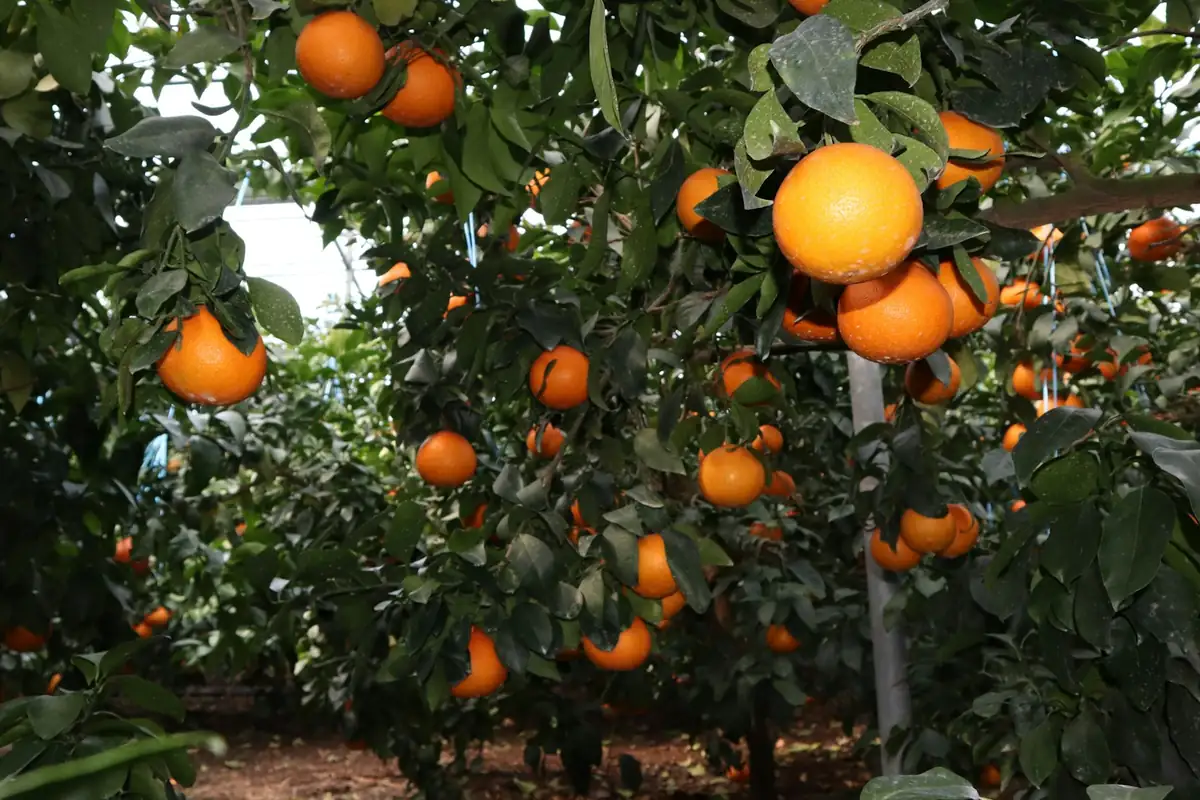
- Cluster orchards in participating subtropical districts — planned plantations with quality planting material, developed as coherent clusters rather than scattered plots.
- Irrigation infrastructure serving those clusters — the water backbone that makes the plantations viable.
- Value addition and market linkage — collection, grading and processing infrastructure so cluster produce sells as product, not distress-price raw fruit.
What to use instead, project by project
| Your project | The right rail |
|---|---|
| Mushroom unit, spawn lab, compost unit (anywhere in HP) | MIDH cost-norm project via the horticulture department |
| Polyhouse for off-season vegetables in the mid-hills | State protected-cultivation support + MIDH — window and percentage change by year; verify the live terms |
| Drying, powdering, packing line for any produce | PMFME capital support (35%-type, capped; verify) |
| Subtropical fruit orchard inside a SHIVA cluster district | SHIVA itself — via the project’s cluster process, not an open counter |
Where GrowBros fits
Our lane in Himachal is the temperate side SHIVA doesn’t cover: gourmet cold-fruiting mushroom units, snow-load BioChamber polyhouses, and the DPR-and-paperwork layer for MIDH and state-scheme applications. Where SHIVA clusters create processing demand, PMFME-backed value-addition units are the natural pairing — we prepare those files too.