Ladakh: farming at 3,500 metres is a design problem
Cold desert, fierce sun, scarce water, a short fierce summer — and a market that flies fresh produce up at painful cost. Ladakh doesn’t need plains agriculture adapted; it needs infrastructure designed for altitude from the first sketch. That is the most GrowBros problem statement in the entire Himalayas.
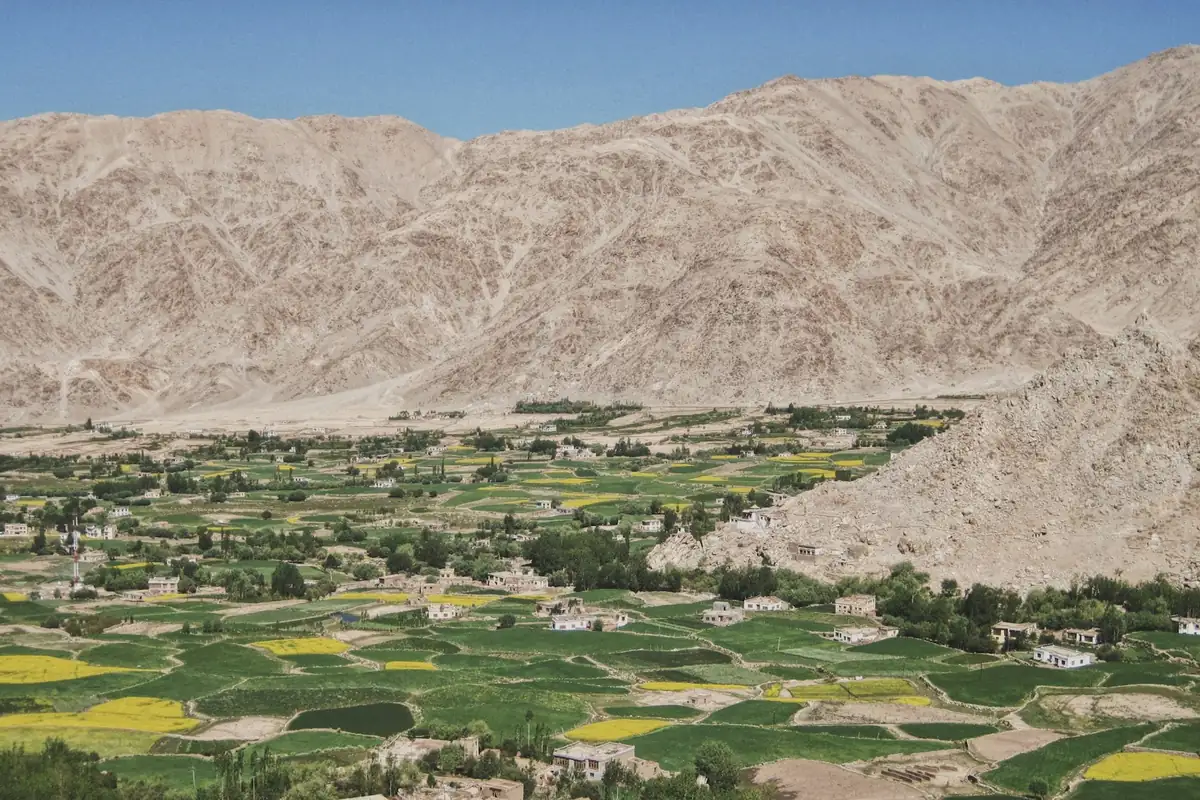
What altitude changes — and what we build for it
Summer mushrooms, when everyone else can’t
June–September, plains grow rooms fight 40 °C; Ladakh’s ambient sits where cold-fruiting species want it. A room-scale unit here harvests into India’s thinnest supply window — peak tourist demand in Leh included. The Kashmir programme, phase-shifted by a season.
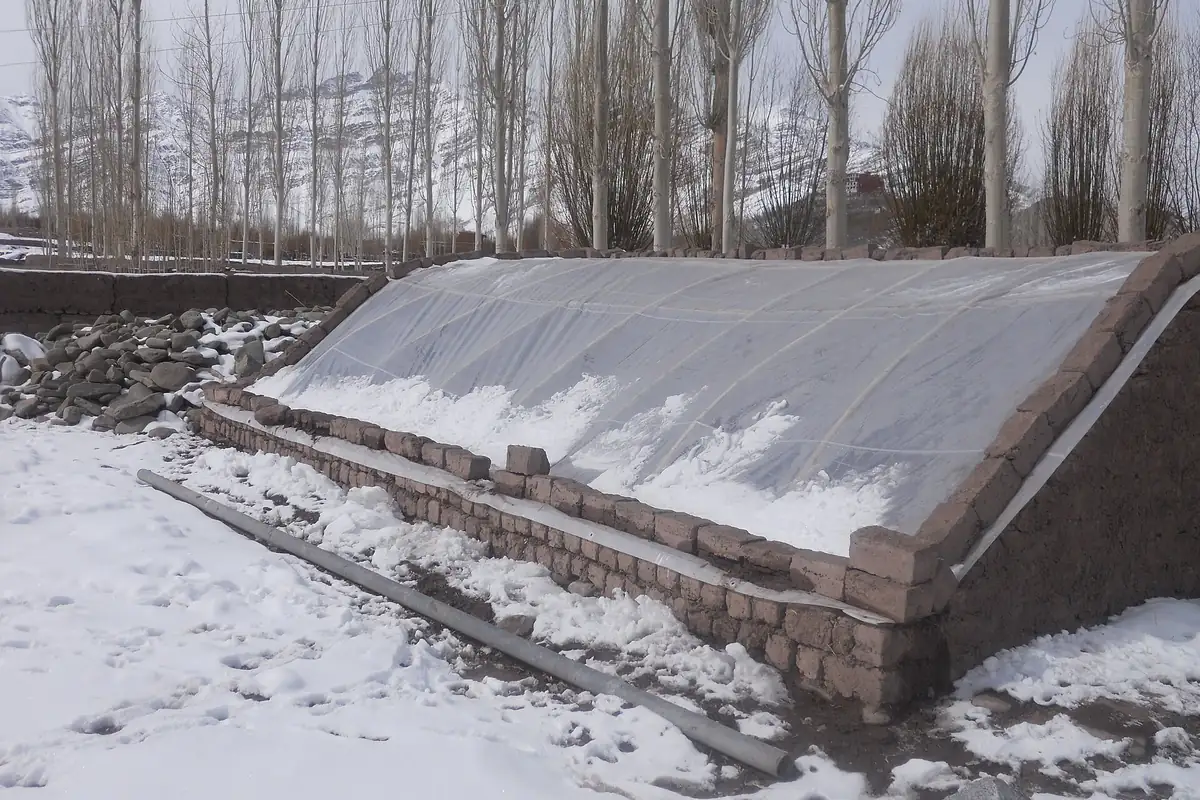
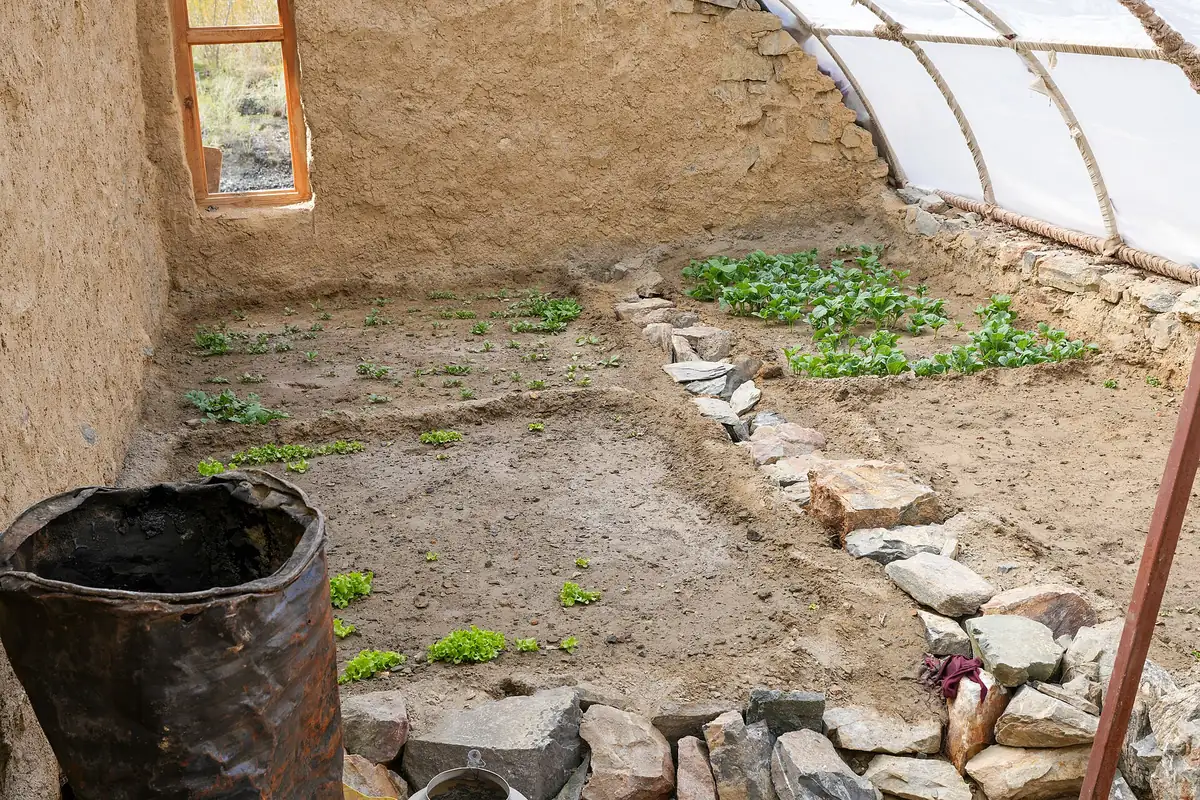
Growing rooms that heat themselves
Ladakh’s solar-greenhouse lineage (the passive designs proven across Leh’s winters) is the reference point for BioChamber high-altitude editions: winter vegetables at −20 °C outside without a diesel heater inside.
Every litre, recirculated
Glacier-fed water is seasonal and precious. HydroLoop closes the loop — recirculating vertical hydroponics that grows greens on a fraction of open-field water, indoors, year-round.
GI produce deserves GI proof
Raktsey Karpo apricot holds Ladakh’s first GI tag; sea buckthorn is the belt’s super-crop. KashmirChain provenance rails let Ladakhi producers sell origin-verified — the difference between a commodity and a story that commands a premium.


The support landscape (verify current-year)
- UT administration support — Ladakh’s push to become a model organic UT means active administration interest in protected cultivation and value addition; programmes and windows evolve quickly, so confirm the live schemes at the district agriculture/horticulture office in Leh or Kargil.
- MIDH — applies with special-category treatment; cost-norm projects for protected cultivation and mushroom infrastructure. Guide →
- PMFME — apricot drying, sea buckthorn processing and mushroom drying lines are natural fits for its capital support. Guide →