 GrowBros
Rotating compost bins for Kashmir homes and farms
The GrowBros Compost Tumbler turns kitchen waste, chinar leaves and farm waste into compost inside a closed drum that you turn by hand. Built by GrowBros in Kashmir and delivered to every district of Jammu & Kashmir.
Home composting in Srinagar
On 6 October 2026 the Srinagar Municipal Corporation ordered all its gazetted officers to compost wet waste at home and to send geotagged photographs of their composting set-up within 10 days (Order No. 1158 of 2026). The order accepts any appropriate home-composting method, and the month's salary is released once the photographs are in.
A compost tumbler is one of the tidiest ways to do it. It stands on a lawn, courtyard, terrace or roof, needs no digging, keeps animals out and is easy to photograph in use. Check the exact requirements with your Zonal Officer or Sectional Head.
Not with SMC? Composting at home keeps wet waste out of the city's dumping sites and gives your kitchen garden free compost.
Sources: Greater Kashmir, Gulistan News, 7 October 2026.

From kitchen waste to compost in four steps
- Hatch: add scraps with a scoop of dry leaves.
- Handle: give the drum a few turns every few days.
- Air holes: let air in so the mix doesn't go sour.
- Stand: keeps the drum off the ground, away from dogs and rats, with no pit to dig.
- Compost: empty the finished batch onto your beds.
Collect
Keep a small caddy in the kitchen for peels, tea leaves and vegetable trimmings. Empty it into the tumbler every day or two.
Add browns
With each caddy, add about the same amount of dry leaves, straw, sawdust or shredded paper. Browns stop smells and soak up extra water.
Turn
Close the hatch and give the drum a few turns every few days. Keep the mix as damp as a wrung-out sponge: about 40–60% moisture.
Finish and use
When the drum is full, stop adding. In warm months a well-turned tumbler gives rough compost in about eight weeks; let it cure for two to four months more before it goes on vegetables.
Sources: Ask Extension (tumbling time, curing, turning); University of Georgia Extension (moisture).
Two sizes: home and farm
Both are built by GrowBros in Kashmir. Tell us what you will compost and where the tumbler will stand, and we will send the size, price and delivery charge on WhatsApp.
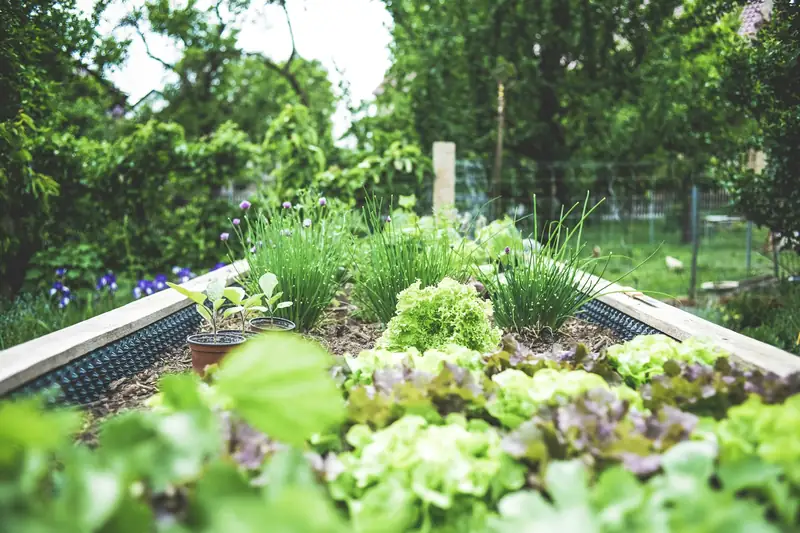 Home
Home
Home compost tumbler
For a family's kitchen and garden waste.
- Peels, tea leaves, eggshells and vegetable trimmings
- Garden trimmings, grass and dry leaves
- Fits a lawn, courtyard, terrace or roof
- Compost for your kitchen garden, pots and lawn
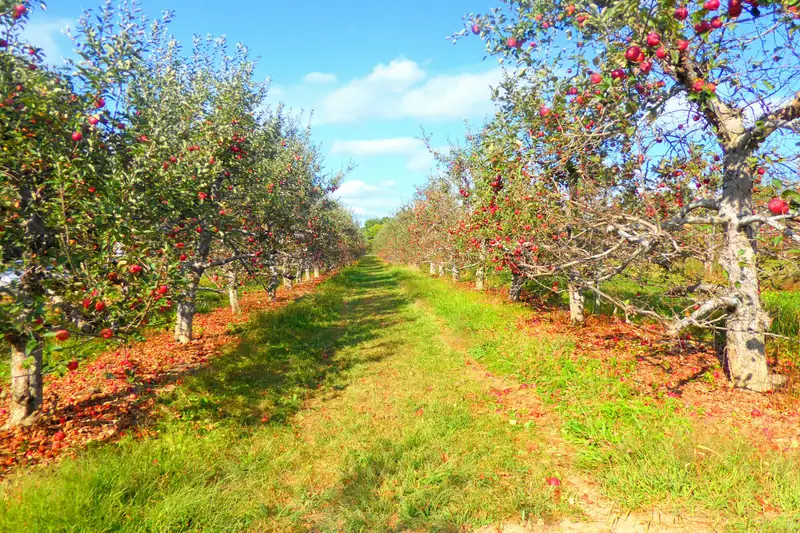 Farm
Farm
Farm compost tumbler
For bigger volumes on farms, in orchards and at institutions.
- Cow, sheep and poultry manure mixed with straw
- Orchard leaves, shredded prunings and fruit culls
- Spent mushroom substrate and polyhouse crop waste
- Kitchen waste from hotels, schools, hostels and houseboats
Sizes, materials and prices are confirmed on WhatsApp. The delivery charge depends on your district and comes with the quote.
Tumbler, pit or open heap?
| Compost tumbler | Compost pit | Open heap | |
|---|---|---|---|
| Digging | None: it stands on any surface | A pit in a dry spot | None |
| Dogs, crows, rats | Kept out by the closed drum | Hard to keep covered | Open to animals |
| Turning | Turn the handle | Fork it over by hand | Fork it over by hand |
| Rain and snow | Lid keeps rain out | Can flood | Gets soaked |
| Time to rough compost, warm months | About 8 weeks, turned every few days | Several months | Several months |
| Where it fits | Lawn, courtyard, terrace or roof | Garden soil only | A corner of a garden or field |
A pit costs nothing and suits large plots. A tumbler suits homes, and anyone who wants a clean, closed set-up.
Composting through Chillai Kalan
Compost doesn't stop in winter; it slows down. Microbes keep working in the cold, more slowly below about 20 °C, and stop only when the contents freeze solid. A few habits keep a tumbler going from November to March:
- Empty it in November. Take out the finished compost so there is room for winter scraps.
- Find the sun. Stand the tumbler in your sunniest spot, against a south-facing wall and out of the wind.
- Wrap it. An old blanket, sacking or straw around the drum, or bags of dry leaves around the stand, hold in warmth.
- Chop small. Smaller pieces break down faster.
- Keep adding browns. Dry leaves with every caddy, so you don't open a wet, smelly mix in spring.
- Turn less in hard frost, and turn again once it warms up in spring.
Sources: University of Illinois Extension; University of New Hampshire Extension.

Greens, browns, and what to keep out
Greens
Wet, rich in nitrogen.
- Vegetable and fruit peels
- Haakh, cabbage and other trimmings
- Tea leaves from noon chai and kahwa
- Crushed eggshells
- Fresh grass clippings
- Cow, sheep and poultry manure
Browns
Dry, rich in carbon.
- Dry chinar and fruit-tree leaves
- Paddy straw and dry grass
- Untreated sawdust and wood shavings
- Shredded newspaper and cardboard
- A little wood ash from the kangri or bukhari
Keep out
They smell, draw pests or spread disease.
- Meat, fish and bones
- Milk, curd and ghee
- Oily or cooked leftovers
- Diseased plants, such as apple leaves with scab
- Pet droppings and coal ash
- Polythene, plastic and glass
Rule of thumb: roughly equal amounts of greens and browns. Smells? Add browns and turn. Dry and slow? Add greens or a splash of water.
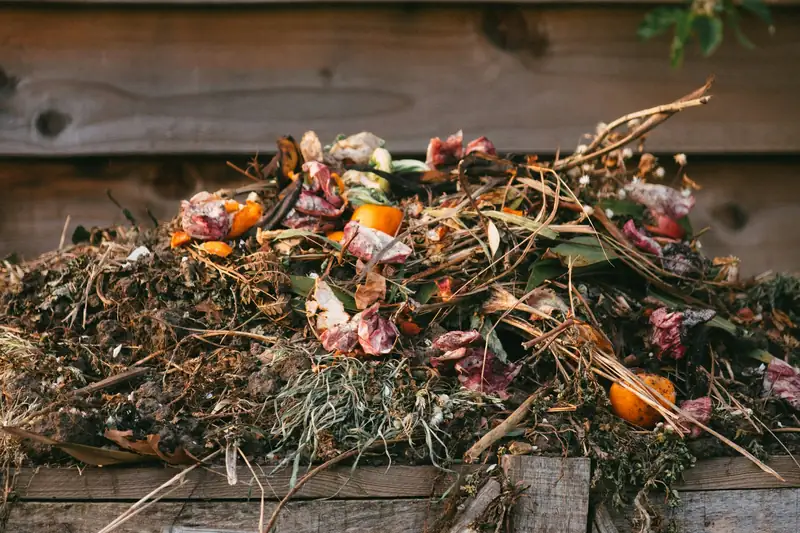
Where your compost goes
Kitchen garden
Haakh, tomatoes, chillies and greens grow better in compost-rich beds.
Pots and lawns
Mix it into potting soil, or spread a thin layer on the lawn in spring.
Orchards
Spread it around tree basins. It fits natural farming.
Saplings and polyhouses
Mix it into planting pits for new fruit tree saplings and into polyhouse beds.
Keep hens? Their litter is a strong green for the farm tumbler. See ChickInCoop. Growing mushrooms? Spent substrate composts well: mushroom farming.
Delivered across Jammu & Kashmir
We build the tumblers in Kashmir and deliver to every district of Jammu & Kashmir. The delivery charge is confirmed with your quote.
Kashmir division
Srinagar · Budgam · Ganderbal · Anantnag · Kulgam · Pulwama · Shopian · Baramulla · Kupwara · Bandipora
Jammu division
Jammu · Samba · Kathua · Udhampur · Reasi · Ramban · Doda · Kishtwar · Rajouri · Poonch
That includes towns such as Sopore, Handwara, Pampore, Tral, Bijbehara and Qazigund. WhatsApp us in English, Urdu, Hindi or Kashmiri.
گروبروز کمپوسٹ ٹمبلر
گھر اور کھیت کے لیے گھومنے والا کمپوسٹ بن، جو کشمیر میں بنایا جاتا ہے۔ کچن کے کچرے، چنار کے پتوں اور کھیت کے فضلے سے کھاد بنائیں۔ پورے جموں و کشمیر میں ڈیلیوری۔ قیمت کے لیے واٹس ایپ کریں: +91 96222 27579
ग्रोब्रोज़ कम्पोस्ट टम्बलर
घर और खेत के लिए घूमने वाला कम्पोस्ट बिन, जो कश्मीर में बनाया जाता है। रसोई के कचरे, चिनार के पत्तों और खेत के कचरे से खाद बनाइए। पूरे जम्मू-कश्मीर में डिलीवरी। कीमत के लिए व्हाट्सऐप करें: +91 96222 27579
Questions people ask
Where can I buy a compost bin in Srinagar?
GrowBros builds compost tumblers in Kashmir and delivers them to Srinagar and every other district of Jammu and Kashmir. Message +91 96222 27579 on WhatsApp with home or farm and your district, and we will send the size, price and delivery charge.
What is a compost tumbler?
A compost tumbler is a closed drum on a stand. You put kitchen and garden waste in through a hatch and turn the drum by its handle every few days. Turning mixes the waste and lets air in, so it becomes compost faster than in a pit or an open heap, with no digging.
Will a compost tumbler work in a Kashmir winter?
Yes, but slowly. Composting slows down in the cold and only stops when the contents freeze solid. Empty finished compost before winter, keep the tumbler in the sunniest spot out of the wind, wrap it with an old blanket or straw, keep adding dry leaves with every caddy of scraps, and it picks up again in spring.
How long does compost take in a tumbler?
In warm months, a tumbler that is turned every few days and kept damp gives rough compost in about eight weeks. Let it cure for another two to four months before it goes on vegetables. In winter it takes longer.
Does a compost tumbler smell or attract dogs and rats?
The closed drum keeps dogs, crows and rats out. A bad smell usually means the mix is too wet or has too many kitchen scraps: add dry leaves, straw or shredded paper and turn it.
Can I use a tumbler for SMC's home composting order?
The Srinagar Municipal Corporation order of 6 October 2026 asks its gazetted officers to compost at home by an appropriate method and to send geotagged photographs within 10 days. A tumbler is one such method. Check the exact requirements with your Zonal Officer or Sectional Head.
Which size do I need?
The home tumbler suits a family's kitchen and garden waste. The farm tumbler suits bigger volumes such as manure, poultry litter, orchard leaves and kitchen waste from hotels, schools and hostels. Tell us what you will compost and we will suggest a size.
Can I compost chinar leaves?
Yes. Dry chinar leaves are one of the best browns you can add. Crush or shred them so they break down faster, mix them with kitchen scraps, and keep a few sacks dry for the winter months.
Get your compost tumbler
Tell us home or farm, and your district. We'll reply with the size, price and delivery charge.